
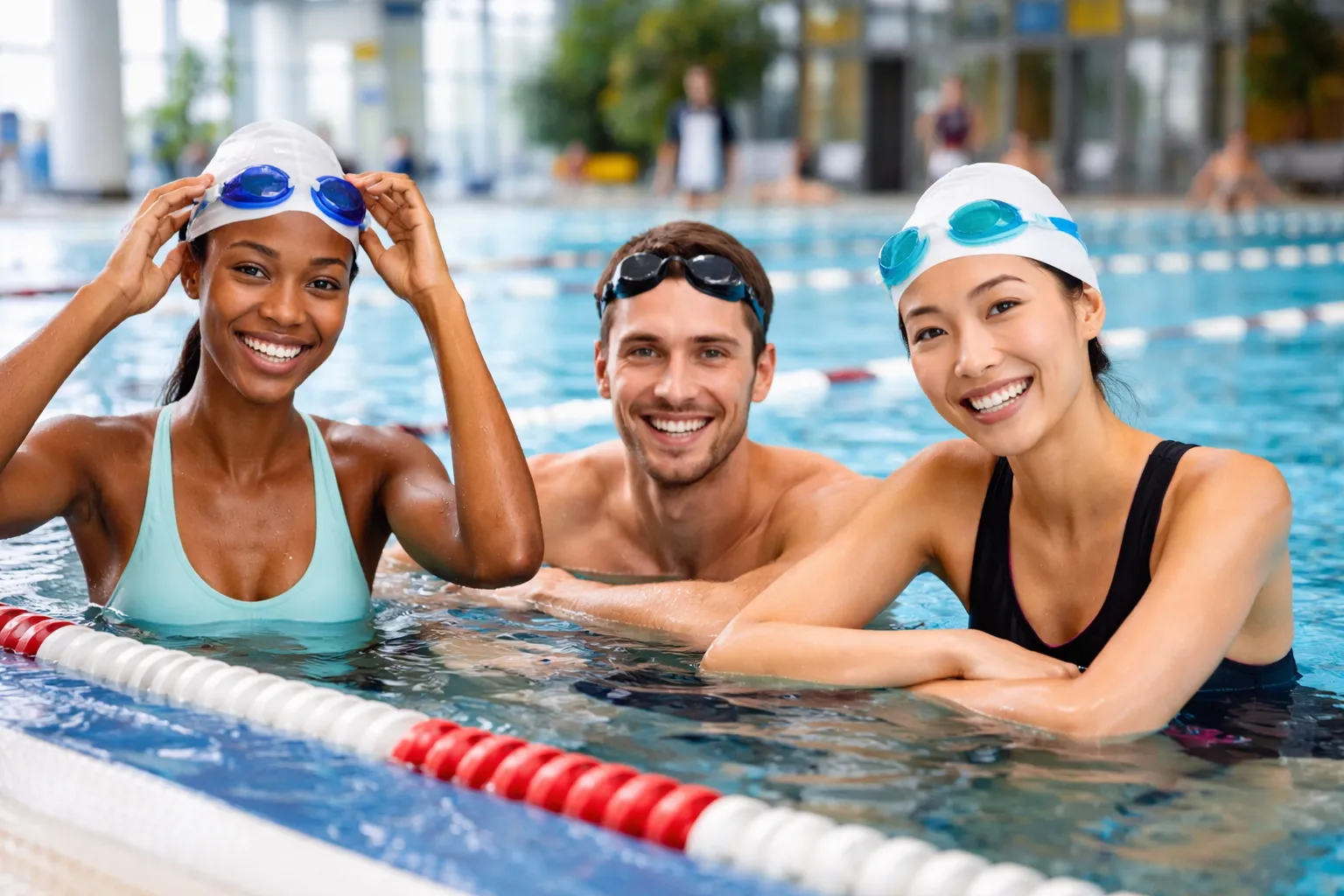
Swimming is one of the most effective and refreshing forms of exercise you can choose. It combines full-body movement with low impact, making it ideal for beginners of all ages. Whether your goal is to improve fitness, lose weight, or simply stay active, swimming offers a balanced and enjoyable way to achieve it.
For those just starting out, the water may feel unfamiliar at first. However, with patience and regular practice, swimming can quickly become a comfortable and rewarding routine.
Why Swimming Is a Great Choice
Swimming stands out because it works your entire body without putting stress on your joints. The buoyancy of water supports your weight, reducing the risk of injury while still providing resistance for muscle strengthening.
It is also suitable for different fitness levels. You can start slowly and gradually increase intensity as your stamina improves. This flexibility makes swimming perfect for beginners who want a safe and sustainable exercise option.
Another advantage is that swimming helps you stay cool while exercising, which can make workouts feel less exhausting compared to land-based activities.
Full-Body Health Benefits
Swimming engages multiple muscle groups at once. Your arms, legs, core, and back all work together to move through the water. This leads to improved strength, flexibility, and coordination.
It is also excellent for cardiovascular health. Regular swimming helps improve heart function, increase lung capacity, and boost endurance.
For those looking to manage weight, swimming burns calories effectively while being gentle on the body. It also supports better posture by strengthening the back and core muscles.
In addition, swimming can help reduce stiffness and improve joint mobility, making it especially beneficial for older adults or those recovering from minor injuries.
Mental and Emotional Boost
Swimming is not just good for the body, it also benefits the mind. The rhythmic movement and breathing create a calming effect that helps reduce stress and anxiety.
Being in water often feels soothing, which can improve mood and promote relaxation. Many people find swimming to be a form of moving meditation, where they can clear their thoughts and focus on the present moment.
Regular swimming sessions can also improve sleep quality, helping you feel more rested and energized throughout the day.
Getting Started as a Beginner
If you are new to swimming, start by becoming comfortable in the water. Spend time practicing basic movements such as floating, kicking, and breathing.
Choose a safe environment like a well-maintained pool. If possible, take beginner lessons to learn proper techniques and build confidence.
Begin with short sessions of 15 to 20 minutes. Focus on simple strokes like freestyle or backstroke. As your confidence grows, you can gradually increase your time and explore other techniques.
Use basic equipment like kickboards or floatation aids if needed. These tools can help you practice without feeling overwhelmed.
Basic Techniques to Learn
Breathing Control
Proper breathing is essential in swimming. Practice inhaling through your mouth and exhaling slowly into the water. Try to stay relaxed and maintain a steady rhythm.
Good breathing technique helps you conserve energy and swim longer without fatigue.
Body Position
Keeping your body aligned in the water improves efficiency. Aim to stay as horizontal as possible, with your head in a neutral position.
Avoid lifting your head too high, as this can slow you down and create unnecessary strain.
Kicking Technique
Your legs provide balance and propulsion. Practice gentle, consistent kicks rather than fast, uncontrolled movements.
A steady kick helps you maintain momentum without using too much energy.
How to Improve Faster
Improving your swimming skills does not require intense training. Consistency and proper technique make the biggest difference.
Practice regularly, even if it is just a few times a week. Focus on small improvements rather than trying to master everything at once.
Set simple goals, such as swimming an extra lap or improving your breathing pattern. Tracking progress can keep you motivated.
Watching instructional videos or learning from a coach can also help you correct mistakes and refine your technique.
Tips to Stay Motivated
Staying motivated is important when learning any new skill. Make swimming enjoyable by setting a routine that fits your schedule.
You can listen to waterproof audio, swim with a friend, or join a local class to keep things interesting.
Celebrate small achievements. Every improvement, no matter how minor, is a step forward.
Remember to listen to your body. Take breaks when needed and avoid pushing yourself too hard in the beginning.
Safety and Comfort Matters
Safety should always come first. Never swim alone, especially if you are still learning. Stay within your comfort zone and avoid deep water until you feel confident.
Wear appropriate swimwear and consider using goggles to protect your eyes and improve visibility.
Stay hydrated, even though you are in water. Your body still loses fluids during exercise.
If you feel tired or uncomfortable, stop and rest. Building endurance takes time.
A Lifelong Fitness Habit
Swimming is more than just a beginner-friendly exercise. It is a lifelong activity that can adapt to your needs and fitness level over time.
With regular practice, you will notice improvements in strength, stamina, and overall well-being. It is an enjoyable way to stay active while taking care of both your body and mind.
By starting slow, focusing on technique, and staying consistent, you can turn swimming into a powerful habit that supports a healthy and balanced lifestyle.