
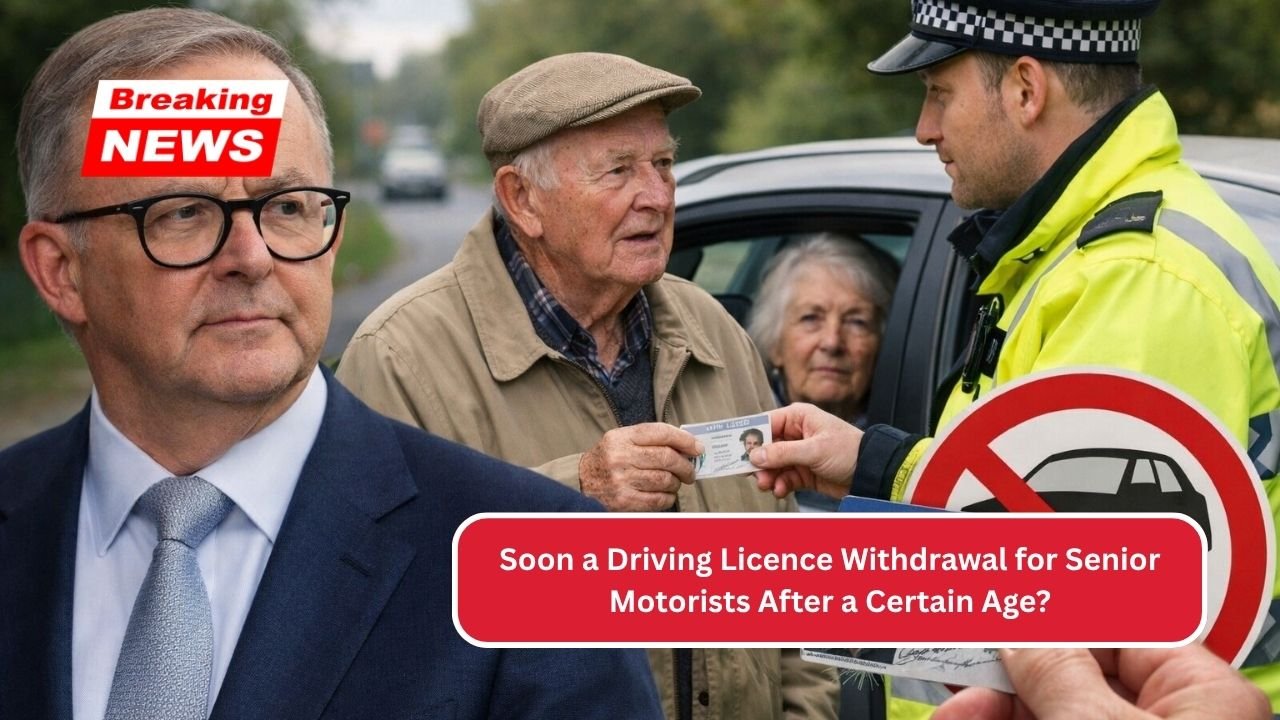
Concerns are growing among older Australians following discussions about stricter driving licence rules for senior motorists. While no blanket ban based purely on age has been introduced, evolving road safety policies and medical assessment requirements are raising questions about whether some drivers could lose their licences as they get older.
With Australia’s ageing population and increasing focus on road safety, authorities are reviewing how to balance independence for seniors with the need to keep roads safe for everyone.
Is There an Age Limit for Driving in Australia?
Currently, there is no fixed age at which Australians must stop driving. Unlike some assumptions circulating online, turning a certain age does not automatically result in a licence being cancelled.
However, drivers above a certain age—often 75 or 80 depending on the state or territory—may face additional requirements to keep their licence. These include regular medical checks, vision tests, and in some cases, practical driving assessments.
The aim is not to remove licences arbitrarily but to ensure that drivers remain capable of operating a vehicle safely.
Why Rules Are Tightening for Senior Drivers
The push for stricter requirements is largely driven by safety concerns. As people age, physical and cognitive changes can affect reaction times, vision, and decision-making.
Authorities are responding by introducing more frequent assessments to identify potential risks early. These measures are intended to protect both senior drivers and other road users.
Importantly, most older drivers remain safe and responsible. The changes are designed to focus on individual ability rather than age alone.
What Changes Could Be Coming
While no nationwide policy has been confirmed, discussions suggest a gradual tightening of renewal processes for older motorists.
Possible changes include:
- More frequent medical assessments after a certain age
- Mandatory vision and cognitive tests
- Shorter licence renewal periods
- Increased use of conditional licences with restrictions
Conditional licences may limit driving to daylight hours, local areas, or specific speed zones. These measures allow seniors to maintain independence while reducing risk.
Who Could Be Affected the Most
Not all senior drivers will be impacted equally. Those with medical conditions that affect driving ability are more likely to face restrictions or licence withdrawal.
Conditions such as impaired vision, reduced mobility, or cognitive decline may trigger further assessments. Doctors play a key role in determining whether a person is fit to drive.
Drivers who remain healthy and meet assessment requirements are likely to retain their licences, even into advanced age.
The Role of Medical Assessments
Medical checks are becoming central to the licence renewal process for older Australians. These assessments evaluate whether a person can safely continue driving.
Doctors may assess vision, hearing, motor skills, and cognitive function. In some cases, they may recommend restrictions rather than complete licence cancellation.
Failing to attend required medical assessments can lead to licence suspension, even if the driver is otherwise capable.
Common Misunderstandings About Licence Withdrawal
One of the biggest misconceptions is that seniors will automatically lose their licence at a certain age. This is not the case.
Another misunderstanding is that failing one assessment means permanent loss of driving privileges. In reality, many drivers are given options such as retesting or transitioning to a conditional licence.
There is also confusion about rules varying between states. Each state and territory has its own regulations, which can lead to mixed information online.
How Seniors Can Keep Their Licence
For older Australians who want to continue driving, staying proactive is essential.
Regular health check-ups can help identify and manage conditions that may affect driving ability. Maintaining good vision and overall fitness can also support safe driving.
Completing required assessments on time is critical. Missing deadlines or ignoring renewal notices can lead to unnecessary licence suspension.
Some drivers may also benefit from refresher driving courses designed specifically for seniors. These programs can improve confidence and update knowledge of current road rules.
Alternatives If Driving Is No Longer Possible
For some individuals, there may come a time when continuing to drive is no longer safe. While this can be a difficult transition, there are alternatives available.
Public transport, community shuttle services, and ride-sharing options can help maintain independence. Many local councils also offer transport assistance programs for seniors.
Planning ahead can make the transition smoother and reduce the impact on daily life.
The Bigger Picture on Road Safety
The discussion around senior driving is part of a broader effort to improve road safety across Australia. Authorities are increasingly focusing on risk-based approaches rather than blanket rules.
By assessing drivers individually, policies aim to strike a balance between safety and personal freedom.
As technology advances, features such as driver assistance systems and autonomous vehicles may also play a role in supporting older drivers in the future.
Final Thoughts
While talk of driving licence withdrawal for senior motorists may sound alarming, there is no immediate move toward automatic bans based on age alone.
Instead, Australia is moving toward a system that prioritizes safety through regular assessments and tailored restrictions where needed.
For seniors, the key to maintaining a licence lies in staying informed, keeping up with health requirements, and responding promptly to renewal processes.
By taking these steps, many older Australians can continue to drive safely and confidently for years to come.