Across France, a subtle shift is taking place in the world of baby names. Among the classics and modern favorites, a short, luminous name is beginning to stand out—Zia. Still rare, yet increasingly noticed, it has started appearing more frequently on birth certificates, catching the attention of parents in search of something meaningful and distinctive.
With only a few thousand bearers, Zia remains outside the mainstream. And yet, its gentle sound and powerful symbolism are quietly propelling it upward, making it one of the most intriguing emerging names in France today.
A Name Rooted in Indigenous Heritage
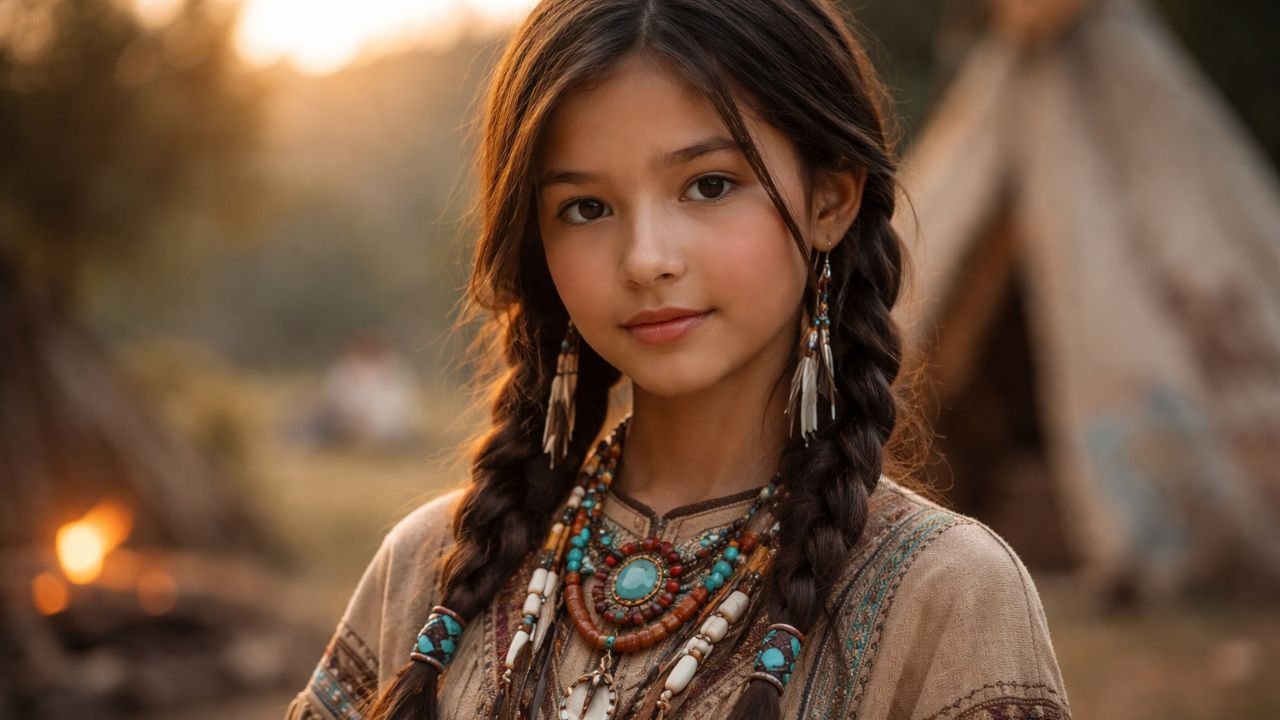
The name Zia finds its origins in the Zia Pueblo tribe, a people deeply connected to nature and spiritual symbolism. At the heart of their culture lies the sun—a sacred emblem representing harmony and balance.
In this context, Zia is often associated with meanings such as “sun,” “light,” or “life.” It evokes a sense of warmth, renewal, and continuity, reflecting the cycles of nature and existence.
For many modern parents, this connection offers more than just aesthetic appeal. It provides a name with depth—one that carries a story, a philosophy, and a link to a rich cultural heritage.
Why French Parents Are Drawn to Zia
In recent years, naming trends in France have shifted toward shorter, softer, and more internationally inspired names. Zia fits perfectly within this movement.
Its appeal lies in several key qualities:
- It is easy to pronounce and remember
- It feels modern yet timeless
- It carries a poetic, almost luminous sound
Beyond these practical aspects, Zia resonates with a growing desire for names that feel authentic and meaningful. Parents are increasingly looking beyond traditional European roots, exploring names that reflect global cultures and values.
A Journey Across Cultures
Interestingly, Zia’s presence in France is not solely tied to its Native American origin. The name has also traveled through other regions, particularly Latin America, where variations like “Xia” have been used.
This cultural journey has helped familiarize the name to a broader audience. As global influences continue to shape French society, names like Zia benefit from this cross-cultural exposure.
It becomes not just a name from one place, but a name that belongs to many stories.
The Power of Symbolism
What sets Zia apart is its symbolic richness. The sun, central to its meaning, represents more than just light—it signifies energy, growth, and continuity.
For parents, choosing Zia can reflect aspirations for their child:
- A bright and positive personality
- A strong sense of identity
- A connection to nature and balance
While a name does not determine destiny, its symbolism can influence how it is perceived and embraced over time.
A Subtle Influence from Pop Culture
Names often gain traction through unexpected channels, and Zia is no exception. In France, echoes of the name can be found in past cultural references, including animated characters and fictional heroines.
These representations, often portraying courage, kindness, and resilience, have contributed—quietly but effectively—to the name’s appeal. Even when not consciously recognized, such associations can shape how a name feels to new parents.
Balancing Uniqueness and Practicality
Choosing a rare name like Zia comes with both advantages and considerations. Its uniqueness ensures that it stands out, offering a sense of individuality from an early age.
However, rarity can also bring challenges:
- Occasional mispronunciation or confusion
- Questions about its origin and meaning
- Limited availability of personalized items
For many families, these minor inconveniences are outweighed by the name’s distinctiveness and beauty.
Cultural Sensitivity and Awareness
As Zia gains popularity, it also raises important questions about cultural appreciation. Its direct link to the Zia Pueblo tribe means that parents may need to approach the name with respect and understanding.
Choosing such a name can be an opportunity to:
- Learn about its origins
- Share its meaning with others
- Foster awareness of indigenous cultures
When done thoughtfully, it becomes more than a trend—it becomes a bridge between cultures.
How the Name Evolves Over Time
One of the most interesting aspects of any name is how it adapts throughout life. Zia’s simplicity allows it to transition بسهولة across different stages.
As a child, it feels soft and playful. In adolescence, it carries a sense of individuality. In adulthood, its brevity and elegance give it a modern, confident tone.
Its versatility is part of its strength, allowing it to grow alongside the person who carries it.
A Name That Reflects Changing Trends
The rise of Zia is not an isolated phenomenon—it reflects broader changes in how names are chosen. Today’s parents are less bound by tradition and more open to global influences.
They seek names that are:
- Meaningful rather than conventional
- Unique without being complicated
- Connected to values and identity
Zia embodies all of these qualities, making it a natural fit for a new generation.
A Quiet but Lasting Presence
Despite its growing popularity, Zia is unlikely to become overly common in the near future. Its charm lies partly in its rarity, and it continues to occupy a niche space within the French naming landscape.
This balance—recognizable yet uncommon—is what makes it so appealing. It offers distinction without excess, simplicity without banality.
The Last Word
Zia is more than just a name—it is a story carried across continents, shaped by culture, and embraced by a new audience. Its rise in France speaks to a desire for meaning, beauty, and connection in even the smallest choices.
For parents seeking something different yet deeply resonant, Zia offers a compelling option. It is a name that shines quietly, much like the symbol it represents.
And in a world filled with noise, that quiet brilliance may be exactly what makes it endure.