
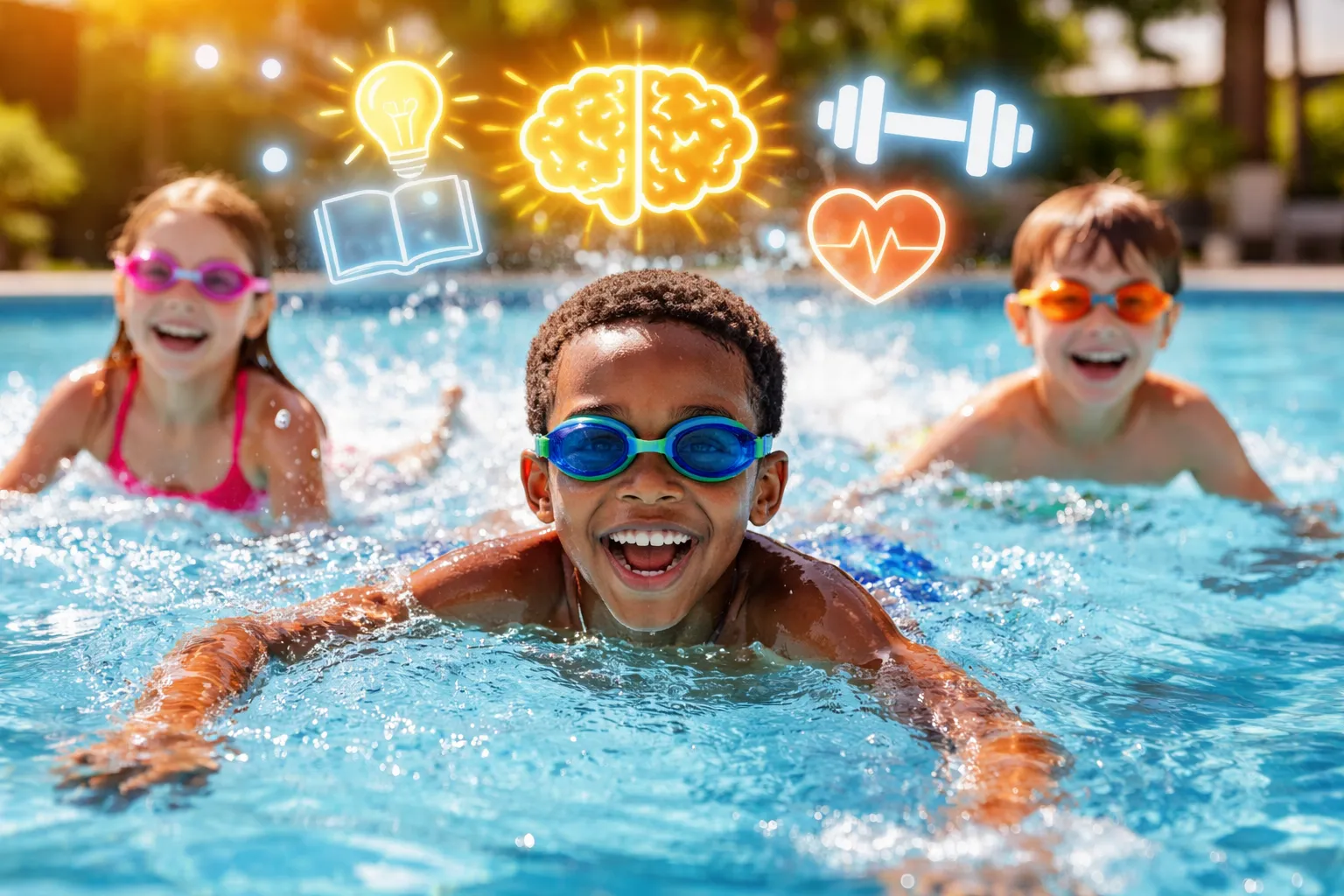
Swimming is one of the best activities children can learn at an early age. It is not only a fun and refreshing way to stay active, but it also plays a powerful role in improving both brain development and physical fitness. Unlike many other activities, swimming engages the whole body and mind at the same time.
For growing children, this combination is especially valuable. It supports learning, builds confidence, and helps create healthy habits that can last a lifetime.
Why Swimming Is Ideal for Kids
Children naturally enjoy water, which makes swimming an easy activity to introduce. It feels more like play than exercise, yet it delivers significant health benefits.
Swimming is also low-impact, meaning it is gentle on developing bones and joints. This makes it safer compared to high-impact sports while still offering excellent physical conditioning.
Another advantage is that children of different fitness levels can participate. Whether a child is energetic or more reserved, swimming provides a comfortable space to grow and improve at their own pace.
Boosting Brain Development
Swimming has a unique impact on brain function. The combination of movement, coordination, and breathing helps stimulate different areas of the brain.
When children swim, they use both sides of their body equally. This bilateral movement supports better communication between the left and right hemispheres of the brain, which is essential for learning and problem-solving.
The need to coordinate strokes, kicks, and breathing also improves focus and concentration. Over time, this can enhance memory, attention span, and cognitive flexibility.
Swimming can also support early learning skills. Studies have shown that children who swim regularly often perform better in areas like language development and basic math skills.
Improving Physical Strength and Fitness
Swimming is a full-body workout that strengthens muscles and improves endurance. Every stroke works the arms, legs, and core, helping children build balanced strength.
It also improves cardiovascular health. Regular swimming helps strengthen the heart and lungs, increasing stamina and energy levels.
Flexibility is another key benefit. The range of motion required in swimming helps keep joints flexible and reduces stiffness.
For children who may not enjoy traditional sports, swimming offers a comfortable and enjoyable alternative to stay physically active.
Enhancing Coordination and Balance
One of the most important physical skills children develop through swimming is coordination. Moving through water requires precise timing between the arms, legs, and breathing.
This coordination improves overall motor skills, which can benefit children in other activities such as running, jumping, or playing sports.
Balance is also strengthened. The resistance of water challenges the body to stay stable, helping children develop better control over their movements.
These skills are especially important during early developmental years, as they lay the foundation for future physical abilities.
Building Confidence and Independence
Learning to swim is a major achievement for any child. As they progress from basic floating to more advanced strokes, their confidence grows naturally.
Swimming teaches children to overcome fear, especially if they are initially nervous about water. Each small success builds self-belief and resilience.
It also encourages independence. Being able to move safely in water gives children a sense of control and freedom.
Group swimming lessons can further boost social confidence by allowing children to interact, learn, and grow together.
Supporting Mental Well-Being
Swimming has a calming effect on the mind. The rhythmic movements and water environment help reduce stress and anxiety in children.
It can be especially helpful for kids who feel overwhelmed or restless. Time in the water allows them to relax and reset.
Swimming also promotes better sleep. Physical activity combined with relaxation helps children fall asleep faster and enjoy deeper rest.
A balanced mental state supports better learning, behavior, and emotional health.
How Parents Can Get Started
Introducing children to swimming can be simple and enjoyable. Start with shallow water where they feel safe and comfortable.
Enroll them in beginner-friendly swimming classes with trained instructors. Professional guidance ensures proper technique and safety.
Make swimming a regular activity rather than an occasional one. Consistency helps children build skills faster and gain confidence.
Encourage a positive attitude. Avoid pressure and allow children to learn at their own pace. Celebrate their progress, no matter how small.
Tips for Faster Improvement
Children learn best when they enjoy the process. Keep sessions fun by including games and playful activities in the water.
Focus on basic skills first, such as floating, kicking, and breathing. A strong foundation makes it easier to learn advanced techniques later.
Practice regularly but avoid overtraining. Short, consistent sessions are more effective than long, tiring ones.
Providing the right equipment, such as goggles or floatation aids, can make learning easier and more comfortable.
Safety Always Comes First
Safety is essential when it comes to children and water activities. Always supervise kids while they are swimming, even if they are learning.
Ensure they swim in safe, clean environments like supervised pools. Teaching basic water safety rules is just as important as learning swimming techniques.
Children should understand simple guidelines such as not running near the pool, staying within safe areas, and listening to instructions.
With proper safety measures, swimming becomes a secure and enjoyable activity for everyone.
A Smart Choice for Growing Kids
Swimming is more than just a physical activity. It is a powerful tool for overall development, helping children grow stronger, smarter, and more confident.
By combining exercise, learning, and fun, swimming supports both brain power and physical fitness in a balanced way.
Encouraging children to swim regularly can set the foundation for a healthy lifestyle, improved academic performance, and lifelong well-being.