
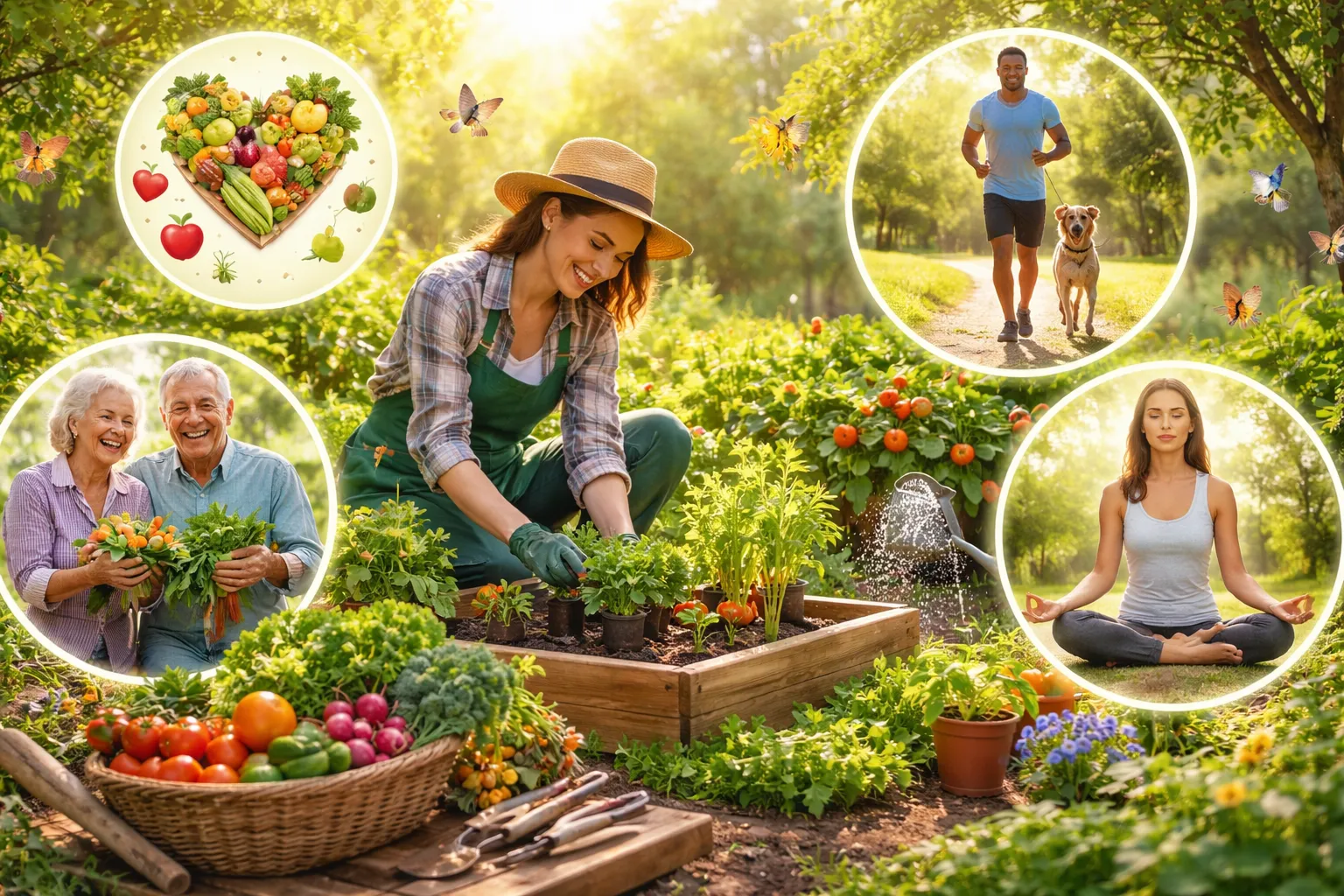
Gardening is more than just a hobby. It is a simple, natural way to improve your physical health, mental well-being, and overall quality of life. Whether you have a large backyard or a few pots on a balcony, growing plants can bring a sense of purpose, relaxation, and joy.
For people of all ages, especially adults and seniors, gardening offers gentle physical activity combined with emotional rewards. It connects you with nature, encourages mindful living, and helps you create something meaningful with your own hands.
Why Gardening Is Good for You
Spending time in nature has a calming effect on the mind. Gardening allows you to step away from daily stress and focus on nurturing life. The act of planting, watering, and caring for plants creates a peaceful routine that reduces anxiety and promotes happiness.
Gardening also exposes you to fresh air and sunlight, which are essential for vitamin D production. This supports bone health, boosts immunity, and improves mood.
Another important benefit is the sense of accomplishment. Watching plants grow from seeds into healthy greenery can be deeply satisfying and motivating.
Physical Health Benefits
Gardening may seem gentle, but it provides effective physical exercise. Activities like digging, planting, watering, and pruning engage multiple muscle groups.
These movements improve flexibility, strengthen muscles, and support joint mobility. For older adults, gardening can be a safe way to stay active without the intensity of traditional workouts.
It also helps improve hand strength and coordination. Tasks like handling tools, pulling weeds, or planting small seeds keep the hands and fingers agile.
Regular gardening can even support heart health by encouraging light to moderate physical activity, which helps maintain healthy blood pressure and circulation.
Mental and Emotional Well-Being
One of the most powerful benefits of gardening is its positive impact on mental health. Being surrounded by greenery has been shown to reduce stress levels and improve mood.
Gardening encourages mindfulness. When you focus on the texture of soil, the color of leaves, or the scent of flowers, your mind naturally shifts away from worries.
It also provides a sense of routine and purpose. Caring for plants daily can help structure your time and give you something to look forward to.
For many people, gardening becomes a form of therapy. It offers quiet time for reflection, relaxation, and emotional balance.
Growing Your Own Food
One of the most rewarding aspects of gardening is growing your own fruits, vegetables, and herbs. Homegrown produce is fresh, chemical-free, and often more nutritious than store-bought options.
Even a small space can support a productive garden. Herbs like mint, basil, and coriander grow well in pots, while vegetables like tomatoes, spinach, and peppers can thrive in containers.
Growing your own food encourages healthier eating habits. When you invest time in your garden, you are more likely to enjoy and appreciate fresh, nutritious meals.
It also helps reduce grocery costs and gives you control over what goes into your food.
Social and Lifestyle Benefits
Gardening can also be a social activity. Sharing plants, exchanging tips, or working together in a community garden helps build connections with others.
For families, gardening is a great way to spend time together. It teaches patience, responsibility, and respect for nature.
It also promotes a slower, more intentional lifestyle. In a fast-paced world, gardening encourages you to pause, observe, and enjoy simple moments.
This shift in lifestyle can improve overall well-being and reduce feelings of stress or burnout.
Easy Ways to Start Gardening
Starting a garden does not have to be complicated. Begin with a few easy plants that require minimal care. Choose a spot with enough sunlight and ensure proper watering.
If you have limited space, container gardening is a great option. Use pots, recycled containers, or small planters to grow herbs and vegetables.
Start small and expand gradually. As you gain confidence, you can explore different types of plants and gardening techniques.
Use simple tools and focus on consistency rather than perfection. Gardening is a learning process, and every experience helps you improve.
Tips for Staying Consistent
Consistency is key to a healthy garden. Set aside a little time each day or week to care for your plants. Regular watering, pruning, and observation will keep your garden thriving.
Pay attention to seasonal changes. Different plants grow best in different conditions, so adjust your gardening routine accordingly.
Stay patient. Plants take time to grow, and not every attempt will be successful. Learning from mistakes is part of the journey.
Make gardening enjoyable by creating a comfortable space. Add a chair, decorate your garden area, or play soft music while you work.
A Natural Path to Better Health
Gardening is a simple yet powerful way to support both physical and mental health. It combines gentle exercise, fresh air, and mindfulness into one rewarding activity.
No matter your age or experience level, you can benefit from spending time with plants. It is never too late to start growing your own garden and enjoying its many advantages.
By nurturing plants, you also nurture yourself. Over time, gardening can become a meaningful part of your daily routine, helping you live a healthier, more balanced life.