
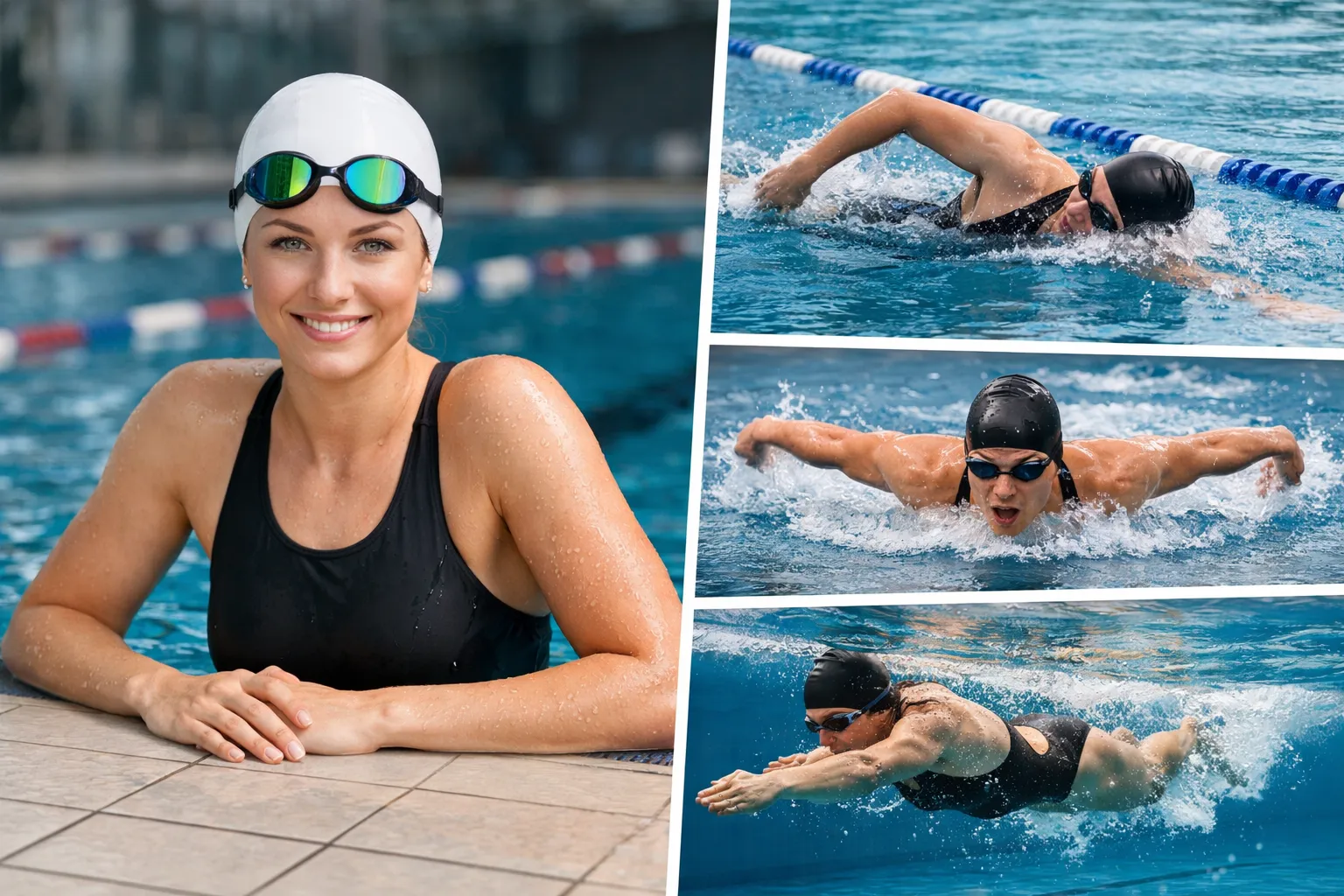
Swimming is one of the most effective ways to build strength, improve endurance, and stay fit without putting stress on your joints. Whether you are just starting out or already comfortable in the water, structured swimming workouts can help you reach your fitness goals faster.
The beauty of swimming lies in its flexibility. You can adjust intensity, duration, and techniques based on your ability. With the right approach, even a short session in the pool can deliver powerful results for both your body and mind.
Why Structured Swimming Workouts Matter
Many beginners swim casually without a plan, which is great for relaxation but may not deliver consistent fitness improvements. Structured workouts give your sessions purpose and direction.
They help you track progress, build stamina, and improve technique over time. By combining warm-ups, focused drills, and cool-downs, you can maximize your effort while reducing the risk of fatigue or injury.
Having a routine also keeps you motivated. It turns swimming into a goal-driven activity rather than just occasional exercise.
Getting Ready for Your Swim
Before starting any workout, it is important to prepare your body. Begin with a few minutes of light stretching, focusing on your shoulders, arms, and legs.
Once in the water, start with a gentle warm-up. Swim slowly for a few laps to get comfortable and loosen your muscles. This helps improve blood flow and reduces stiffness.
Always remember to stay hydrated and use proper swim gear such as goggles for better visibility and comfort.
Workout 1: Beginner-Friendly Routine
This workout is designed for those who are new to swimming or returning after a break. The goal is to build confidence, improve breathing, and develop basic endurance.
Warm-Up
Swim 2 to 4 easy laps at a relaxed pace. Focus on staying comfortable in the water.
Main Set
Swim 4 to 6 laps using freestyle or backstroke. Take short breaks between each lap if needed. Concentrate on smooth movements and steady breathing.
Skill Practice
Use a kickboard for 2 laps to practice kicking technique. Keep your movements slow and controlled.
Cool-Down
Finish with 2 easy laps or simply float and relax in the water.
This routine helps beginners get used to movement in water while gradually building stamina without feeling overwhelmed.
Workout 2: Intermediate Endurance Builder
If you are comfortable swimming multiple laps, this workout helps improve endurance and overall fitness.
Warm-Up
Swim 4 easy laps using your preferred stroke.
Main Set
Swim 8 to 10 laps at a moderate pace. Try to maintain a consistent rhythm without stopping too often.
Interval Training
Swim 2 laps at a slightly faster pace, then 1 lap slow. Repeat this cycle 3 times. This improves cardiovascular strength and speed.
Technique Focus
Practice breathing control for 2 laps. Focus on steady inhaling and exhaling patterns.
Cool-Down
Swim 2 relaxed laps to bring your heart rate down.
This workout challenges your stamina while helping you become more efficient in the water.
Workout 3: Advanced Full-Body Challenge
For experienced swimmers, this workout pushes strength, speed, and endurance to the next level.
Warm-Up
Swim 4 to 6 laps at a gentle pace, mixing different strokes.
Main Set
Swim 12 to 16 laps at a steady pace. Try to minimize rest time between laps.
Sprint Intervals
Swim 1 fast lap followed by 1 slow recovery lap. Repeat this 5 to 6 times. This builds speed and power.
Strength Drill
Use a pull buoy or focus on arm strokes for 4 laps to strengthen your upper body.
Cool-Down
Finish with 2 to 3 easy laps and deep breathing.
This routine provides a complete workout that targets endurance, muscle strength, and cardiovascular fitness.
Tips to Improve Faster
Improvement in swimming comes from consistency and attention to technique. Focus on maintaining proper body position to reduce drag in the water.
Work on your breathing rhythm, as efficient breathing helps you swim longer without fatigue. Keep your movements smooth rather than rushed.
Tracking your progress can also help. Count your laps, note your timing, and aim to improve gradually.
Learning from a coach or watching technique videos can further refine your skills and prevent common mistakes.
Staying Motivated in the Pool
Motivation plays a key role in maintaining a regular swimming routine. Set realistic goals, such as increasing your lap count or improving your speed over time.
You can also make swimming more enjoyable by varying your workouts or swimming with a partner. This keeps the experience fresh and engaging.
Celebrate small achievements. Every extra lap or improved technique is a step toward better fitness.
Safety and Recovery
Safety should always be a priority. Avoid overexertion, especially if you are trying a new workout. Listen to your body and take breaks when needed.
Proper recovery is equally important. Stretch after swimming to relax your muscles and prevent stiffness.
Ensure you get enough rest between sessions so your body can recover and grow stronger.
Make Swimming a Fitness Habit
Swimming workouts can transform your fitness routine by offering a balanced mix of strength, endurance, and relaxation. With options for every skill level, it is an activity you can continue for life.
By following structured routines and staying consistent, you will notice improvements in your energy, stamina, and overall health.
No matter where you start, the key is to keep moving, stay patient, and enjoy the journey in the water.