
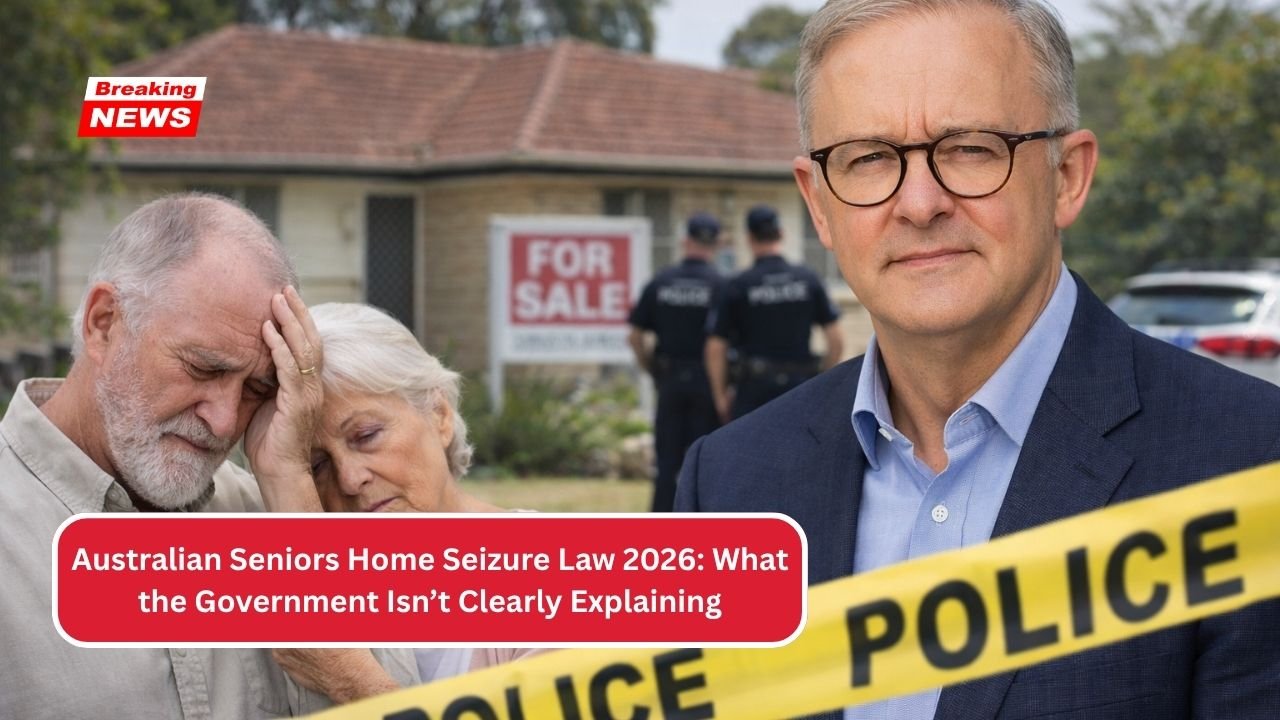
In 2026, alarming headlines have circulated suggesting that the Australian government may seize the homes of seniors, particularly affecting grandparents and retirees. These claims have understandably caused concern across the country. However, the reality is far less dramatic and requires a clear understanding of how aged care reforms and pension rules actually work.
For seniors planning their financial future, separating fact from misinformation is essential.
Is the Government Taking Seniors’ Homes?
The short answer is no. There is no law in Australia that allows the government to forcibly take ownership of a senior’s home.
Under current rules, the family home remains exempt from the Age Pension assets test. This means that owning your primary residence does not directly reduce your pension eligibility.
This protection is a cornerstone of Australia’s retirement system, ensuring that seniors are not forced out of their homes simply because of their financial situation.
Why the Confusion Started
The confusion largely stems from recent aged care reforms introduced under updated legislation that began rolling out in late 2025 and continues into 2026.
These changes focus on how aged care services are funded, particularly for seniors entering residential care facilities. While the reforms increase financial contributions from those who can afford it, they do not involve property seizure.
Sensational headlines have misinterpreted these cost-sharing measures, leading to widespread misunderstanding.
The Real Change: Aged Care Contributions
The actual shift in 2026 is about how seniors contribute toward their care if they move into an aged care facility.
Instead of relying heavily on government funding, the system now encourages a more balanced approach where individuals contribute based on their financial capacity.
This may include:
Accommodation payments (either lump sum or periodic)
Daily care fees
Additional service charges depending on the facility
These costs can create financial pressure, especially for seniors with limited liquid assets.
Does This Affect Your Home?
While the government does not take ownership of homes, your property can still play an indirect role in financial decisions.
Some retirees choose to sell their home voluntarily to cover aged care costs, particularly if they need to pay a refundable accommodation deposit or ongoing fees.
Others may keep their home and use savings or other assets instead. The decision is entirely personal and depends on individual financial circumstances.
It is important to emphasize that selling the home is never mandatory under these reforms.
Pension Rules Still Apply
The Age Pension continues to operate under existing income and asset tests. While your primary home is excluded, other assets such as savings, investments, and superannuation balances can influence how much pension you receive.
Seniors with higher asset levels may see reduced payments or may not qualify at all. This can lead some retirees to reassess how they structure their finances, including whether to retain or sell property.
The key point is that pension eligibility is determined by total financial position, not home ownership alone.
Understanding Financial Pressure
Although there is no forced home seizure, financial pressure can arise from the cost of aged care.
For example, if a senior does not have enough liquid assets to pay for care, selling a home may become a practical option. This is where much of the confusion originates.
The system does not compel this action, but economic realities may influence personal choices.
Understanding this distinction is crucial to avoid unnecessary panic.
Key Changes in 2026
The updated framework focuses on sustainability and fairness in aged care funding. Some of the key developments include:
Greater contribution from seniors based on income and assets
More flexible payment options for aged care accommodation
Continued protection of the family home under pension rules
Increased emphasis on individual financial planning
These measures are designed to ensure that the system remains viable while still supporting those in need.
Common Myths vs Reality
| Claim | Reality |
|---|---|
| Government will seize seniors’ homes | No such law exists |
| Owning a home reduces pension | Primary home is exempt |
| Seniors must sell property for care | Selling is optional |
| New laws target grandparents | Reforms apply broadly to aged care funding |
| Pension stops if you own a house | Pension depends on total assets, not just property |
Practical Advice for Seniors
To navigate these changes confidently, seniors should take a proactive approach to financial planning.
Start by reviewing your assets, income sources, and long-term care needs. Understanding your financial position will help you make informed decisions about whether to retain or sell property.
Avoid reacting to sensational headlines without verifying the facts. Government websites and qualified financial advisors remain the most reliable sources of information.
Planning ahead can reduce stress and provide greater flexibility when the time comes to make important decisions about care and housing.
Why Accurate Information Matters
Misinformation can lead to unnecessary fear and poor financial decisions. Many seniors may feel pressured to sell their homes prematurely or worry about losing their independence.
In reality, the system is designed to provide support while encouraging those with financial means to contribute fairly.
Clear and accurate information empowers retirees to make choices that align with their personal and financial goals.
The idea that the Australian government will seize seniors’ homes in 2026 is a myth driven by misunderstanding and sensational reporting.
What has actually changed is the way aged care is funded, with a stronger focus on shared responsibility. While this may influence financial decisions, it does not remove ownership rights or force property sales.
By staying informed, planning ahead, and seeking professional advice, seniors can navigate these reforms with confidence and maintain control over their financial future.