
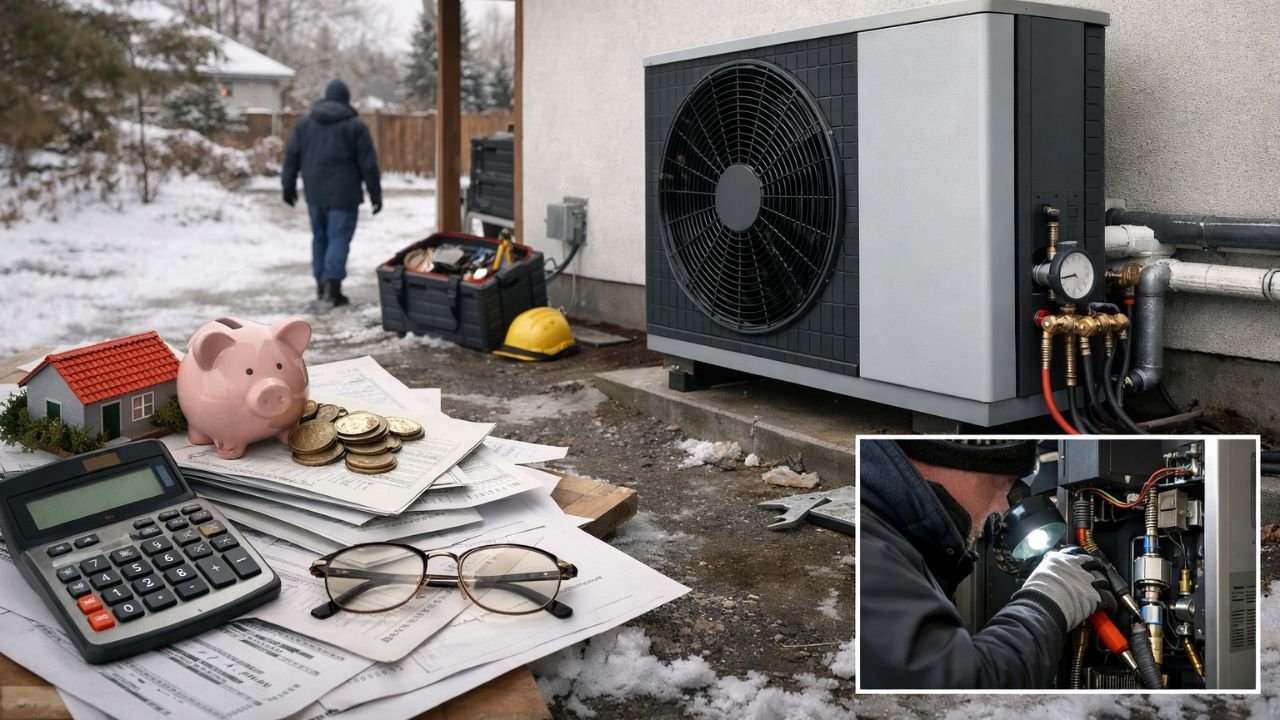
As energy costs rise and climate concerns grow, heat pumps are often promoted as the ideal solution for efficient home heating and cooling. Yet despite their increasing popularity, many homeowners remain skeptical. Are they too expensive to install? Do they struggle in cold weather? And are they really reliable over the long term?
The truth is more nuanced than the myths suggest. While heat pumps are not perfect for every situation, much of the criticism comes from outdated assumptions or misunderstandings. Here’s a clear, practical look at what heat pumps can—and cannot—do.
What Is a Heat Pump?
A heat pump is a system that transfers heat rather than generating it. In winter, it extracts heat from the outside air (even in cold temperatures) and brings it indoors. In summer, it works in reverse, acting like an air conditioner.
Because it moves heat instead of creating it, a heat pump can be significantly more energy-efficient than traditional heating systems like gas furnaces or electric heaters.
Are Heat Pumps Really Expensive?
One of the biggest concerns is upfront cost. It’s true that installing a heat pump can be more expensive than replacing a conventional system.
However, this is only part of the story. Heat pumps often reduce monthly energy bills because they use less electricity. Over time, these savings can offset the initial investment.
In many regions, government incentives, rebates, and tax credits can further reduce installation costs. When these are factored in, the price difference becomes much less intimidating.
The Running Cost Advantage
While installation costs can be higher, heat pumps are known for their efficiency. They can deliver two to four times more heat energy than the electricity they consume.
This means lower utility bills, especially in moderate climates. Households switching from electric resistance heating or oil systems often see the biggest savings.
Even in colder areas, modern heat pumps have improved efficiency, making them a viable option for year-round use.
Do Heat Pumps Work in Cold Weather?
A common myth is that heat pumps fail in freezing temperatures. This may have been true for older models, but technology has advanced significantly.
Today’s cold-climate heat pumps are designed to operate efficiently even in sub-zero conditions. While their performance may decrease slightly in extreme cold, many systems continue to function effectively.
In very harsh climates, some homeowners use a backup heating system for the coldest days, ensuring consistent comfort.
Reliability: Fact vs Fiction
Another concern is reliability. Some people believe heat pumps break down more often than traditional systems.
In reality, heat pumps are generally reliable when properly installed and maintained. Like any HVAC system, their lifespan depends on regular servicing and correct usage.
Because they run year-round (heating and cooling), they may experience more wear, but this does not necessarily mean they are less dependable.
Maintenance Requirements
Heat pumps do require routine maintenance, but nothing unusual compared to other systems.
Basic upkeep includes cleaning or replacing filters, checking refrigerant levels, and ensuring outdoor units are free from debris. Annual professional servicing is recommended to keep the system running efficiently.
Neglecting maintenance can lead to performance issues, which is often mistaken for unreliability.
Are They Suitable for Every Home?
Heat pumps are not a one-size-fits-all solution. Their effectiveness depends on factors like climate, insulation, and home design.
Well-insulated homes benefit the most, as they retain heat more effectively. Older homes with poor insulation may require upgrades to achieve optimal performance.
Space availability for outdoor units and compatibility with existing ductwork are also important considerations.
Environmental Benefits
One of the strongest arguments in favor of heat pumps is their environmental impact.
They produce fewer greenhouse gas emissions compared to fossil fuel-based heating systems. As electricity grids become greener, their environmental benefits continue to increase.
For homeowners looking to reduce their carbon footprint, heat pumps offer a practical and scalable solution.
The Noise and Comfort Factor
Modern heat pumps are designed to operate quietly, both indoors and outdoors.
They also provide consistent heating, unlike traditional systems that cycle on and off. This results in more stable indoor temperatures and improved comfort throughout the home.
Additionally, their ability to cool in summer makes them a versatile, all-in-one system.
Common Misconceptions
Several myths continue to shape public perception:
Many believe heat pumps are only suitable for mild climates, but modern systems work well in colder regions.
Some assume they are too costly, ignoring long-term savings and available incentives.
Others think they are unreliable, when in fact proper installation and maintenance are the key factors in performance.
Understanding these misconceptions helps homeowners make more informed decisions.
Heat pumps are not a magic solution, but they are far from the flawed systems some believe them to be.
Yes, the upfront cost can be higher, and they may require thoughtful planning to install effectively. But in return, they offer energy efficiency, lower running costs, and environmental benefits that traditional systems struggle to match.
For many households, especially those looking to future-proof their homes, heat pumps represent a smart and increasingly practical choice.