
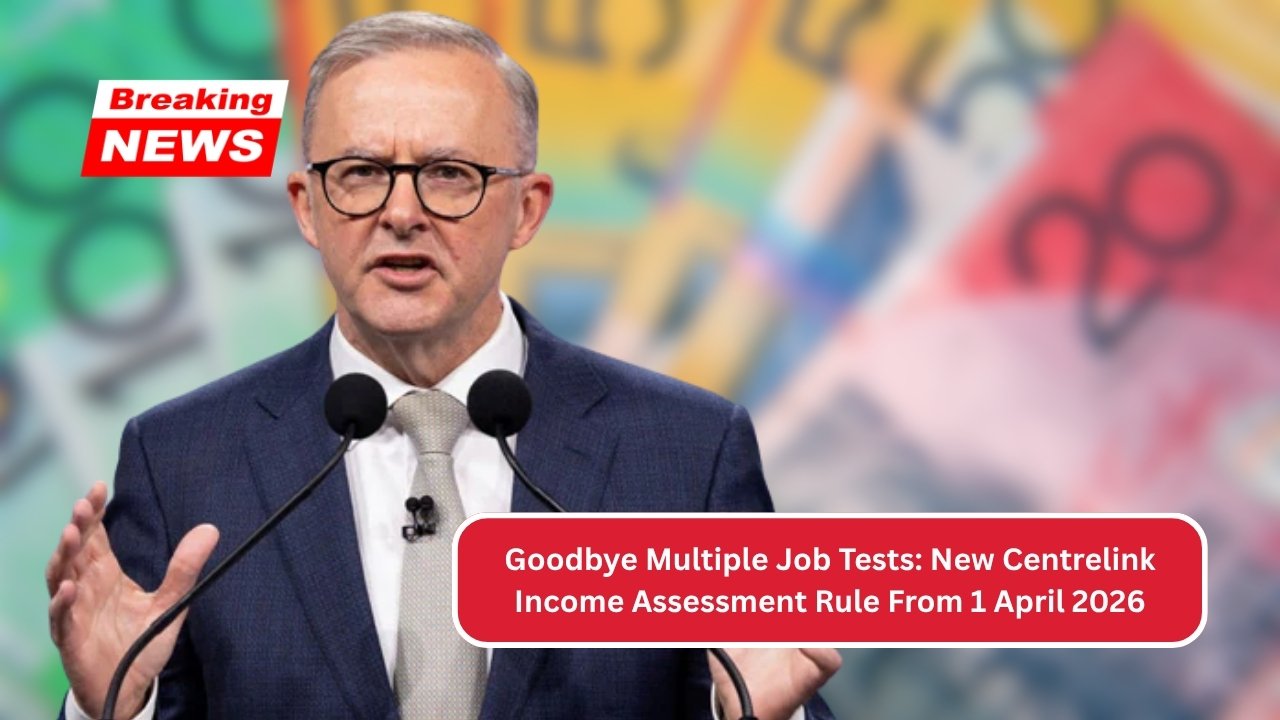
A significant shift in Centrelink policy is set to take effect from 1 April 2026, with the removal of multiple job tests and the introduction of a simplified income assessment rule. This change is expected to impact thousands of Australians receiving income support, particularly those juggling more than one job.
The update aims to streamline reporting requirements, reduce confusion, and ensure a fairer system for individuals with varying income sources.
What Is Changing From April 2026?
From 1 April 2026, Centrelink will replace the existing system that assesses income from multiple jobs separately with a single, combined income assessment model.
Previously, recipients working multiple jobs often had to:
- Report income from each employer individually
- Meet separate job-related conditions
- Navigate complex compliance requirements
Under the new rule, all income will be assessed together, making the process more straightforward and easier to manage.
Why the Rule Is Being Introduced
The shift away from multiple job tests reflects ongoing efforts to simplify Centrelink processes and adapt to modern work patterns.
Key reasons for the change include:
- Increasing numbers of Australians working multiple or casual jobs
- Complexity and confusion under the old system
- Administrative burden on both recipients and Centrelink
- The need for a more flexible and fair income assessment approach
By consolidating income reporting, the system aims to better reflect how people actually work today.
How the New Income Assessment Works
Under the updated system, Centrelink will assess total income earned within a reporting period, regardless of how many jobs a person holds.
This means:
- All earnings are combined into a single figure
- Payments are adjusted based on total income
- Separate job-by-job assessments are no longer required
This simplified approach reduces the risk of reporting errors and makes it easier for recipients to understand how their income affects their payments.
Who Will Be Affected?
The new rule primarily affects Centrelink recipients who earn income while receiving benefits, including:
- JobSeeker Payment recipients
- Youth Allowance recipients
- Parenting Payment recipients
- Some Disability Support Pension recipients
Individuals working multiple casual or part-time jobs are expected to benefit the most from the change.
What This Means for People With Multiple Jobs
For those balancing multiple income sources, the new system offers several advantages:
- Less paperwork and fewer reporting steps
- Clearer understanding of total earnings
- Reduced risk of compliance issues
Instead of tracking each job separately, recipients can focus on reporting their total income accurately.
Impact on Payment Calculations
While reporting becomes simpler, payment calculations will still depend on income thresholds and taper rates.
In practice:
- Higher total income may reduce Centrelink payments
- Lower income may result in higher support
- Payments will adjust automatically based on reported earnings
The key difference is that calculations are now based on combined income rather than separate job assessments.
Changes to Reporting Requirements
Reporting obligations will also become more streamlined from April 2026.
Recipients will generally need to:
- Report total income for the reporting period
- Ensure all earnings are included
- Submit reports by the required deadline
Failure to report accurately or on time may still result in delays or payment adjustments.
Benefits of the New System
The removal of multiple job tests brings several practical benefits for recipients.
These include:
- Simpler reporting processes
- Reduced administrative burden
- Greater transparency in how payments are calculated
- Improved flexibility for workers with changing hours
Overall, the change reflects a more modern and user-friendly approach.
Potential Challenges to Be Aware Of
While the new system is simpler, there are still some important considerations:
- All income must be reported accurately
- Underreporting may lead to overpayments and debts
- Sudden increases in income can affect payment amounts
Staying organised and keeping track of total earnings remains essential.
How to Prepare for the Change
With the new rule taking effect from 1 April 2026, recipients can take steps now to prepare.
Helpful actions include:
- Reviewing current income reporting habits
- Keeping records of all earnings
- Understanding how total income affects payments
- Checking updates through myGov
Being prepared will help ensure a smooth transition to the new system.
Common Misunderstandings
Some confusion has emerged around the removal of multiple job tests.
Here are key clarifications:
- The change does not increase payment rates
- It simplifies reporting, not eligibility rules
- Total income still determines payment levels
Understanding these points can help recipients avoid unrealistic expectations.
Long-Term Impact on Workers
The new income assessment model reflects a broader shift toward flexibility in Australia’s welfare system.
Over time, this could lead to:
- Better alignment with modern employment patterns
- Fewer reporting errors and disputes
- Improved user experience for Centrelink recipients
For many, the change represents a positive step toward a more practical and accessible system.
Final Thoughts
The introduction of a single income assessment rule from 1 April 2026 marks the end of complex multiple job tests for Centrelink recipients. By simplifying how income is reported and assessed, the new system aims to reduce confusion and better support Australians working across multiple roles.
While accurate reporting remains essential, the streamlined approach offers greater clarity and convenience. Staying informed and adapting to the new requirements will help recipients continue to manage their payments effectively in 2026 and beyond.